100% Organic Product

What is Wood Vinegar?

Wood vinegar, or pyroligneous acid, is a natural liquid obtained by processing the gases resulting from the pyrolysis of agricultural waste in the absence of oxygen.

At Manjum, we produce wood vinegar from perennial trees (such as Eucalyptus, Casuarina, Citrus, Peach, etc.) using integrated Egyptian technology, and we are committed to conducting continuous field and laboratory research.
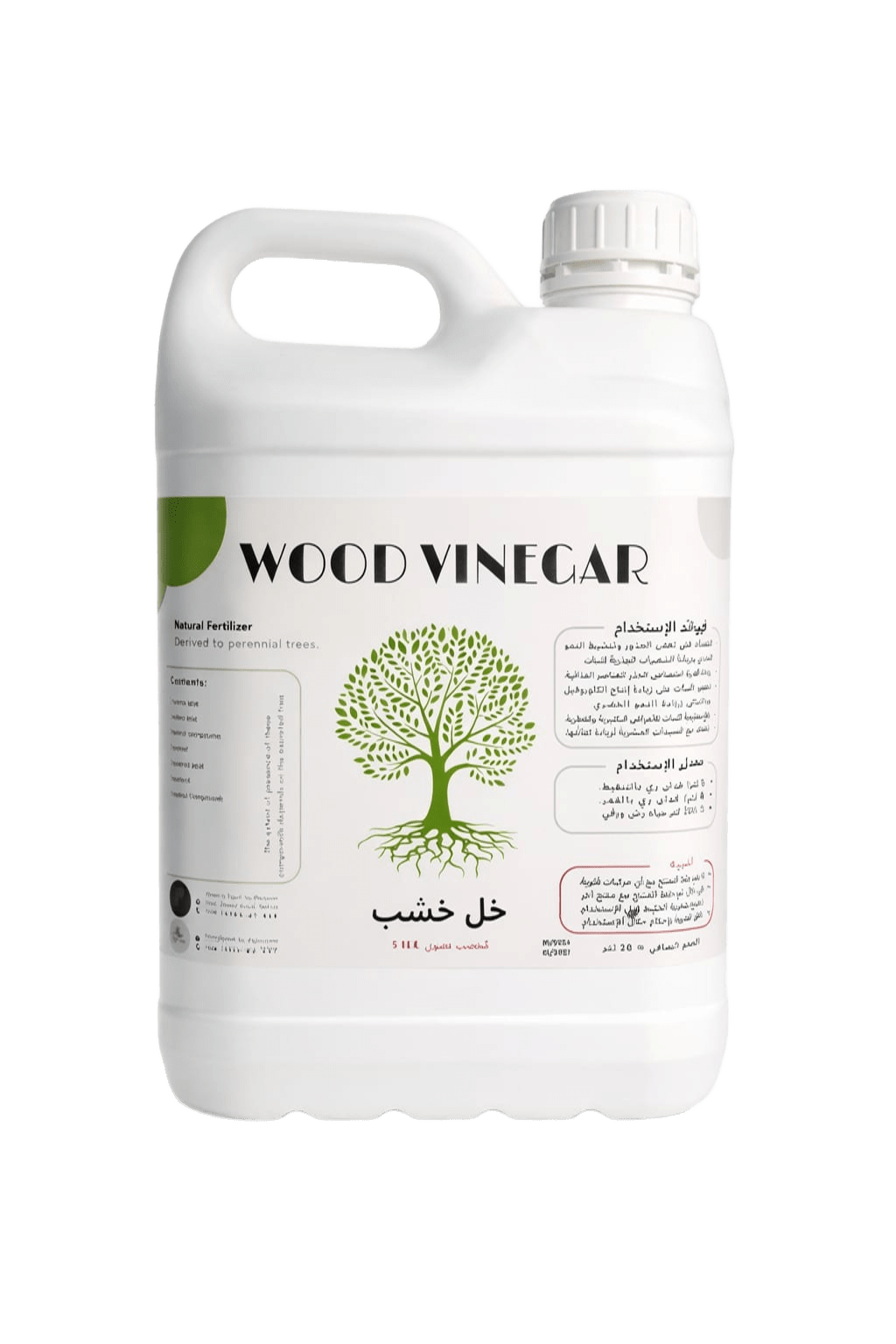
عبوة خل خشب منجم
Phenols
Organic Acids
Ketones
store Manjum

Choose the right package for your farm

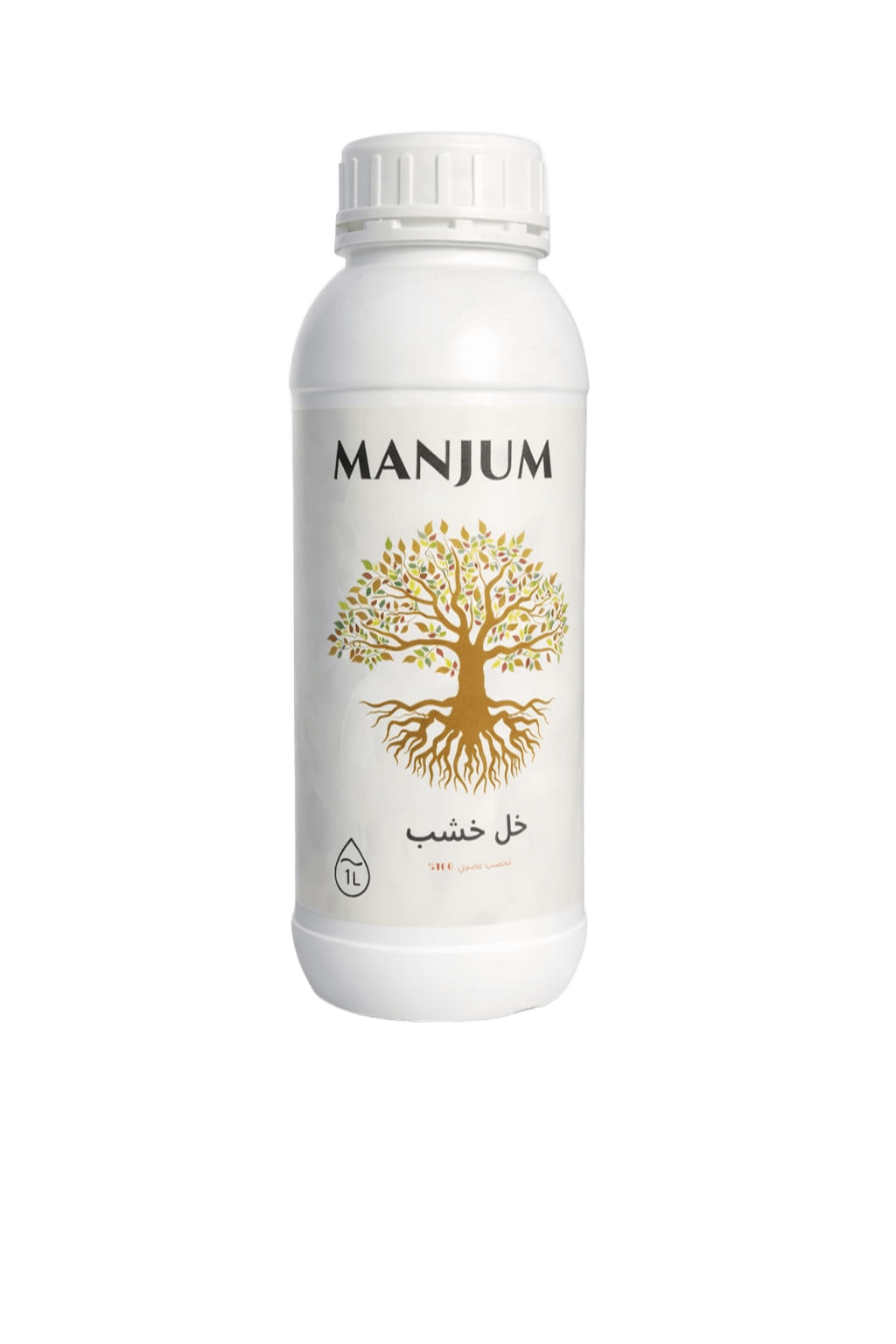
عبوة 1 لتر

1L Wood Vinegar Bottle

140 le
  • Origin: Egypt
  • Registration No: OF51
Order now
عبوة 5 لتر

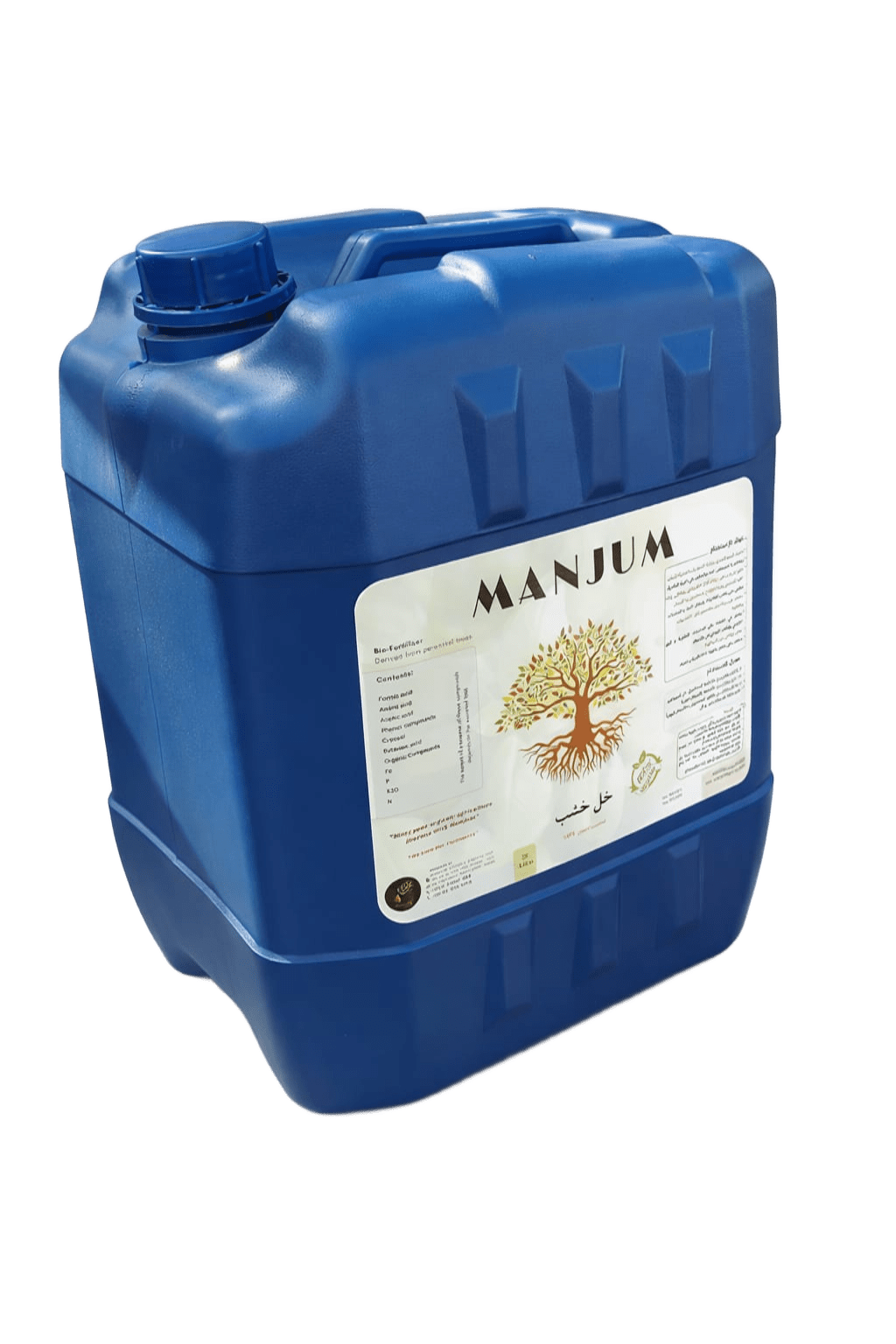
5L Wood Vinegar Container

450 le
  • Origin: Egypt
  • Registration No: OF51
Order now

Benefits of Wood Vinegar

Root System Protection

Wood vinegar prevents root rot and supports the vigorous growth of the root system.

Doubling Absorption

Wood vinegar enhances root absorption capacity and improves nutrient availability for the plant.

Fruit Nutrition

Wood vinegar enhances the transport of nutrients and sugars to the fruit.

Stronger Flowering and Fruit Set

Wood vinegar promotes fruit set stability and increases flower count.

Balancing Soil Alkalinity

Wood vinegar effectively balances and regulates soil alkalinity (pH).

Rapid and Vigorous Germination

Wood vinegar improves the seed germination rate and enhances the vigor of seedlings.

Increasing Chlorophyll Levels

Wood vinegar increases the chlorophyll content in the leaves.

Resistance to Climate Changes

Wood vinegar increases the plant's ability to withstand fluctuating climatic conditions.

Resistance to Fungal Diseases

Wood vinegar resists the spread of certain fungal diseases, such as Sooty Mold.

Repelling Pests and Insects

Wood vinegar limits the proliferation of insects such as whiteflies, aphids, and thrips.

Your Guide to Productivity

Application Rates

To achieve the maximum benefit from Manjum products, please adhere to the recommended dosages and timings.

🍅

Field Crops & Vegetables

  • Drip Irrigation: 2-4 Liters per Acre
  • Flood Irrigation: 4-6 Liters per Acre
  • Foliar Spraying: 1-2 Liters / 200 Liters of water
  • Timing: Every two weeks
🍓

Strawberries

  • Drip Irrigation: 2-4 Liters per Acre
  • Foliar Spraying: 1-2 Liters / 200 Liters of water
  • Timing: Every two weeks
🍋

Citrus Trees

  • Drip Irrigation: 4-6 Liters per Acre
  • Flood Irrigation: 8-10 Liters per Acre
  • Foliar Spraying: 1-2 Liters / 200 Liters of water
  • Timing: Every 3 weeks
🍎

Fruit Trees

  • Drip Irrigation: 4-6 Liters per Acre
  • Flood Irrigation: 8-10 Liters per Acre
  • Foliar Spraying: 1-2 Liters / 200 Liters of water
  • Timing: Every 3 weeks (except during the dormancy period)

Why Manjum?

In Manjum Wood vinegar undergoes a meticulous manufacturing journey lasting approximately 11 months, ensuring every drop reaches the highest quality.

Phase One 8 Months

The process begins by cutting non-fruiting trees, followed by natural drying for 8 months.

Phase Two 6 Days

The wood enters the pyrolysis phase for 6 days to produce natural compounds.

Phase Three 3 Months

Wood vinegar undergoes a treatment and separation phase from other compounds for 3 months.

Usage Instructions for Wood Vinegar

It is preferable to use wood vinegar after the land has been sufficiently irrigated to ensure the best results.

Foliar spraying should be done in the early morning or late afternoon to avoid high temperatures.

Recommended dosages must be adhered to for maximum effectiveness.

It can be mixed with most fertilizers and pesticides, except for alkaline substances.

When mixed with fungicides and insecticides, the pesticide dosage should be reduced because wood vinegar increases the pesticide's effectiveness.

Close the container tightly during use, as wood vinegar contains volatile compounds.

Avoid storing it under direct sunlight, and keep it in a cool place.

en_USEnglish
Scroll to Top