
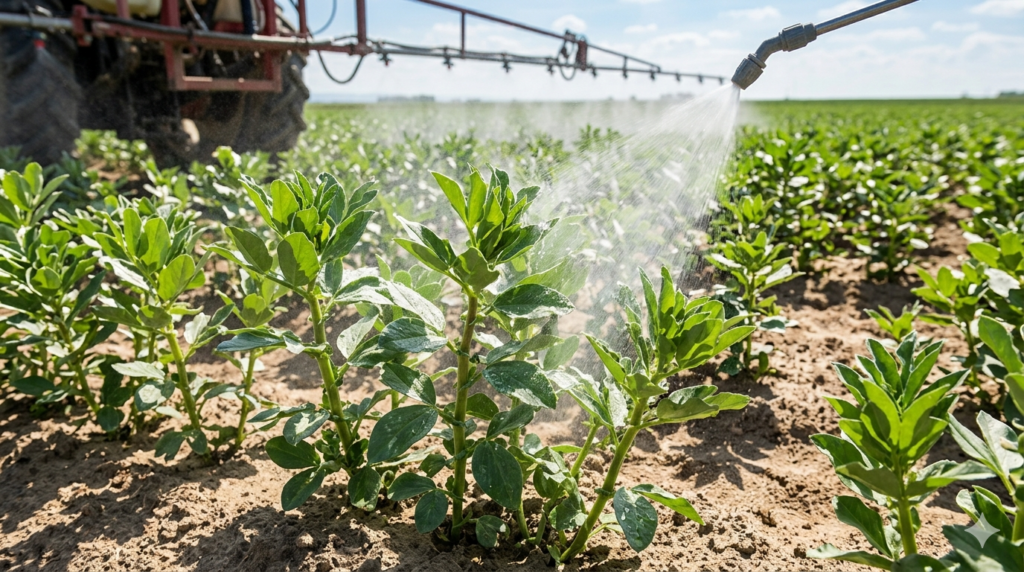
Given the challenges facing modern agriculture, particularly in sandy soils that suffer from low soil fertility and rapid nutrient loss, the search for natural alternatives that support plant growth and increase productivity has become essential. Among the bio-based materials that have attracted significant attention in recent years. Wood VinegarAs a natural product resulting from the recycling of plant waste, it contributes to improving plant growth and crop quality.
What is Wood Vinegar?
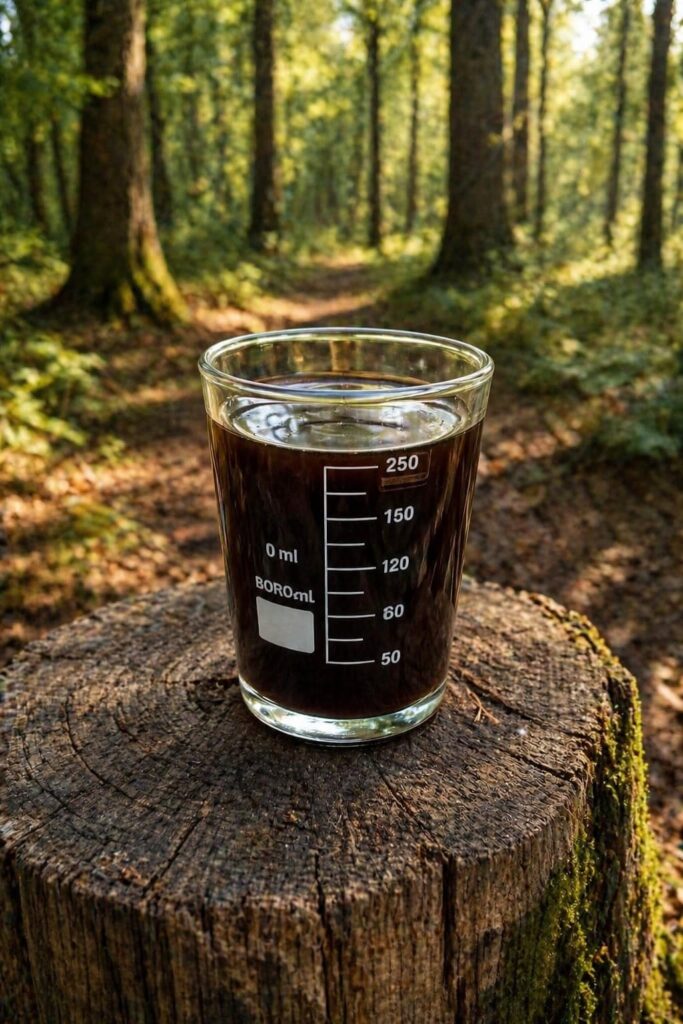
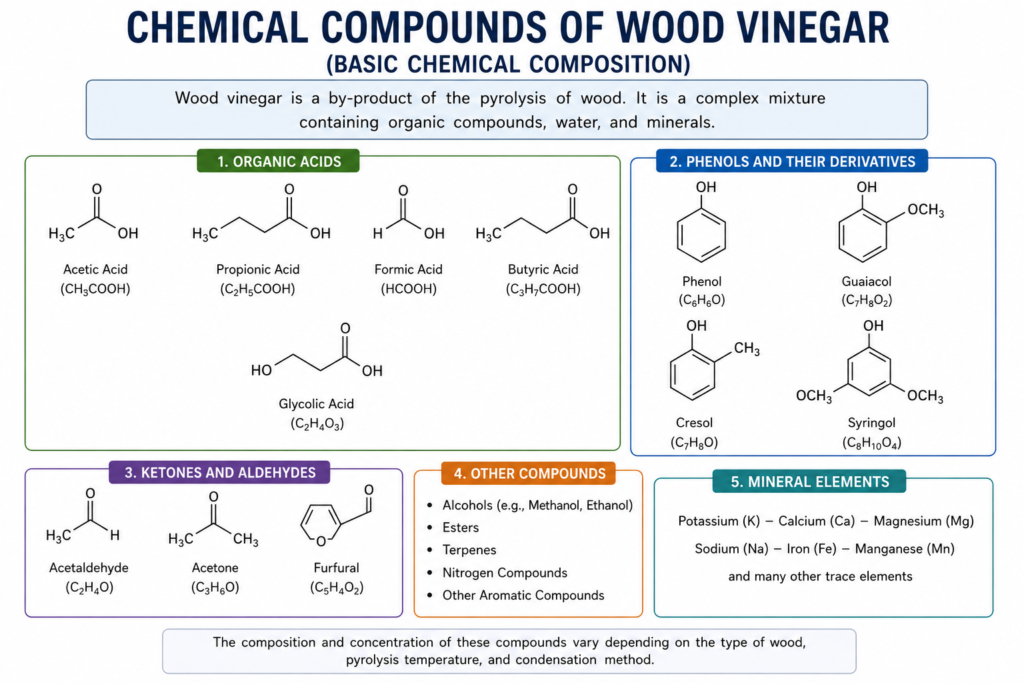
It is a brownish liquid produced during the thermal decomposition of wood or plant waste under oxygen-limited conditions in the production of biochar. It contains several important organic compounds such as organic acids, phenols, and ketones, which help activate vital processes within the plant and improve nutrient utilization.
Field experiment
In a recent 2023 study conducted on the fava bean crop, the effect of foliar spraying with wood vinegar was evaluated on two fava bean varieties, namely Giza 716 &Nobaria 2, with the aim of determining its ability to improve growth and yield under sandy soil conditions.
The experiment involved spraying the plants with different concentrations of wood vinegar. 1, 2, and 4 mL/L, and spraying was carried out during the various growth stages after 30, 45 and 60 days from plantingthe results were also compared with those of untreated plants to determine the actual effect of wood vinegar on the plants.
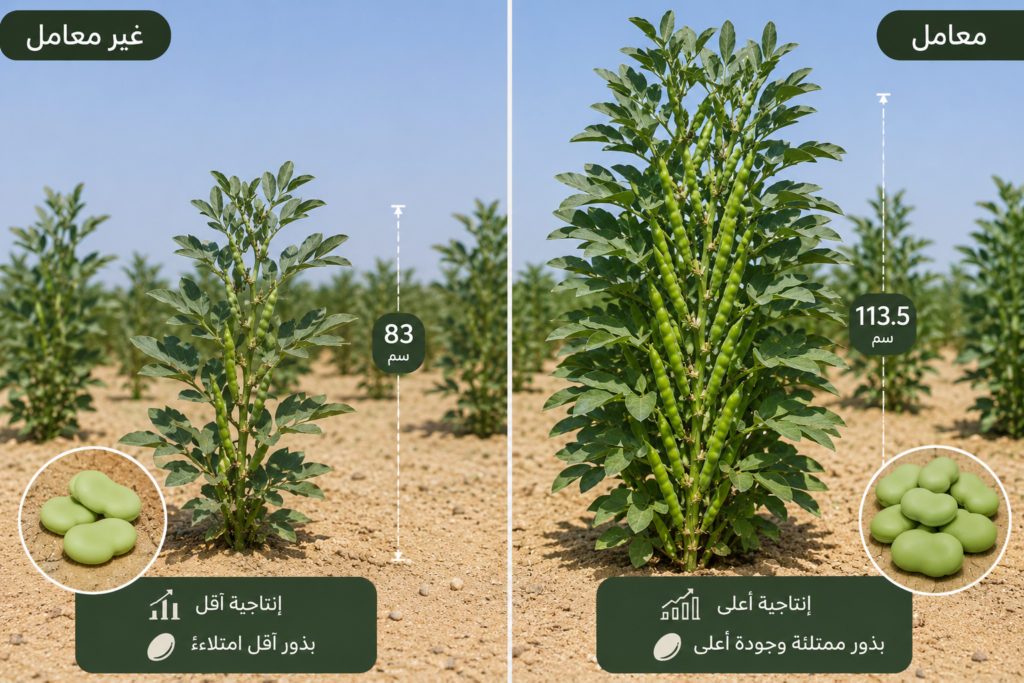
The results revealed that wood vinegar has a clear positive effect on the vegetative growth of plants, especially when using a specific concentration. 4 ml/liter, resulting in increased plant height and improved pod formation and seed number.
- The average plant height increased significantly compared to the untreated plants From 83 cm at the control point to 113.5 cm When spraying wood vinegar at a concentration of 4 ml/L.
- The number of seeds per plant has increased from 27.3 to 41.5 seeds, this indicates an improvement in growth and fruiting efficiency.
- Increased total crop yield by 52% compared to the control treatment, with an improvement in the weight of 100 seeds, reflecting higher quality of the resulting seeds and increased seed fullness.
The scientific explanation for the results of wood vinegar
Researchers attributed this effect to the fact that wood vinegar contains active organic compounds that function similarly to natural growth regulators, as it helps stimulate cell division, improve photosynthesis, and increase nutrient absorption efficiency. Foliar spraying with wood vinegar also helps plants quickly benefit from these compounds, especially in sandy soils that easily leach nutrients.

 English
  Arabic